Visual intelligence for fashion
Virtual try-on, built from the ground up
A computer-vision pipeline that lifts a garment out of one photograph and fits it to another. Geometry first, learned refinement next. Built in South Africa, for the bodies the fashion industry usually skips.
Prize drawRequest early access by 1 November 2026 to win one of two R500 Takealot vouchers. Terms
Results
Real output, no mock-ups
Every image below came out of the current pipeline. Each garment was segmented from the photograph it was worn in, flattened to a canonical frame, and re-fitted to a different pose and body position. Nothing here is a rendering, a stock image, or a hand edit.
01black dress
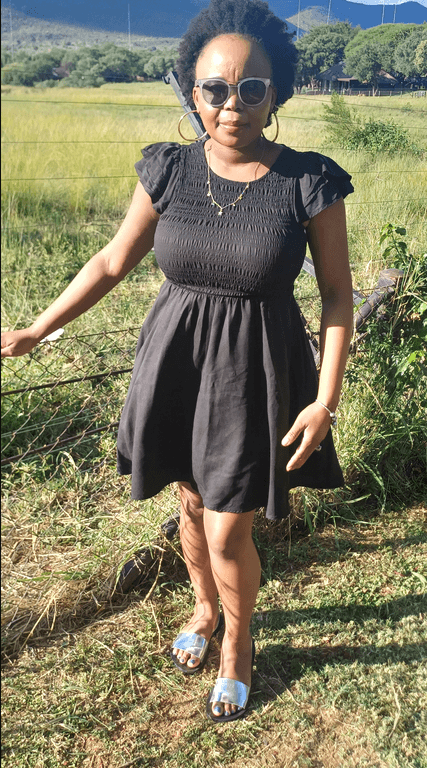
Source photo 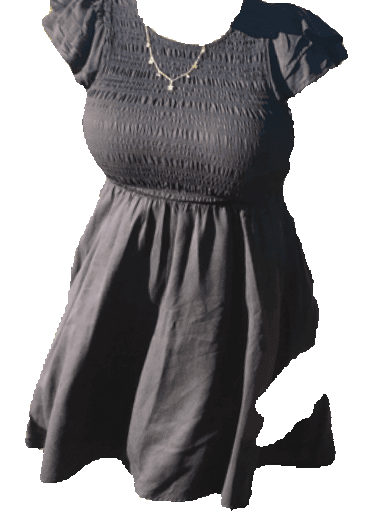
Extracted garment 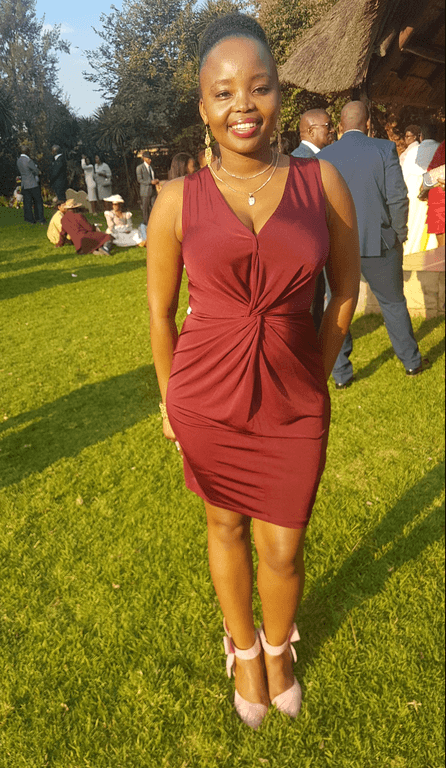
Before 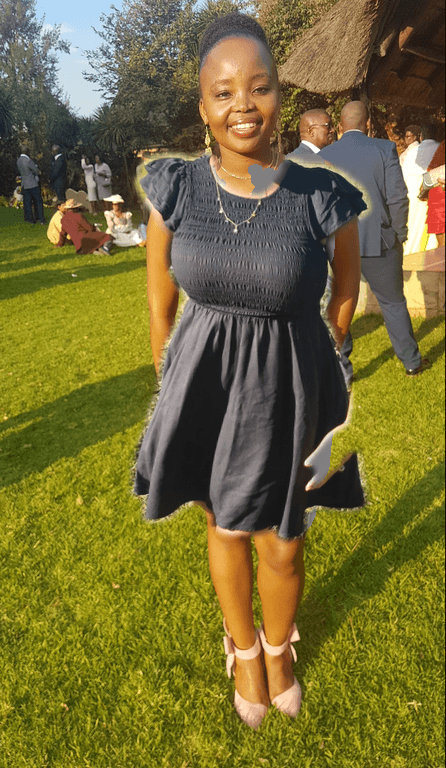
After 02maroon dress
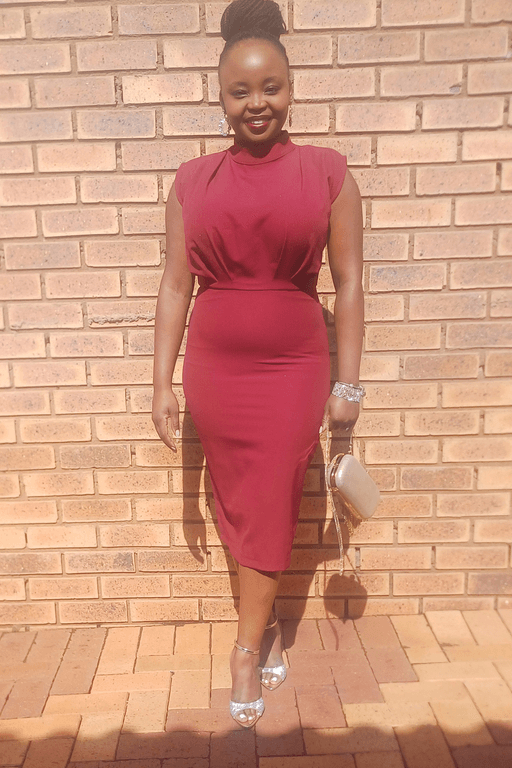
Source photo 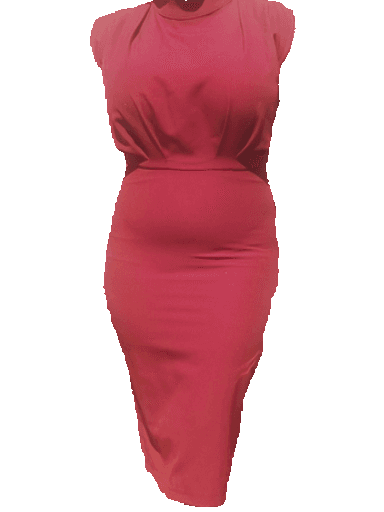
Extracted garment 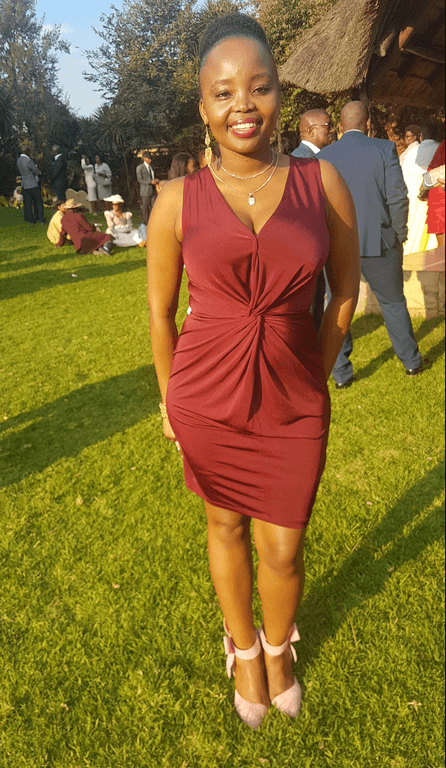
Before 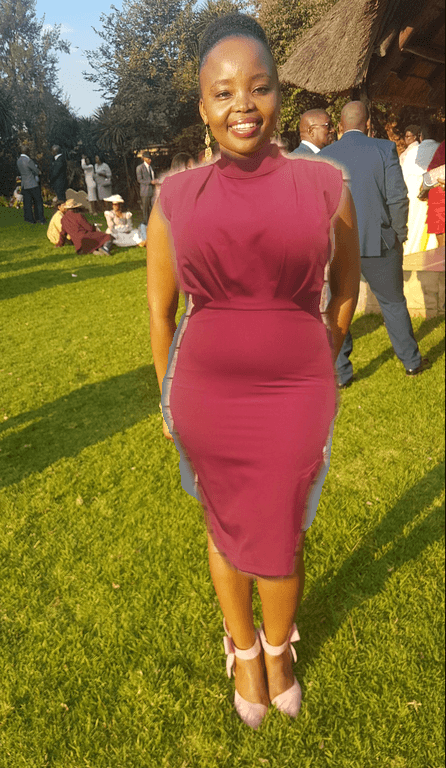
After
Current output is geometric compositing. Lighting and fabric shading are not yet transferred — that is what the refinement model in training will address.
How it works
From garment to virtual try-on
- 01
Segment
Segment Anything isolates the garment from the photograph it was worn in. No human-parsing models, no licensing encumbrance.
- 02
Flatten
The garment is de-warped into a canonical, front-facing frame, so its shape no longer carries the body that wore it.
- 03
Fit
Pose landmarks give shoulder, hip and hem anchors. A thin-plate spline bends the garment onto the target body — local deformation, not a rigid stretch.
- 04
Blend
A feathered alpha composite merges the two images. Deterministic today. A learned refinement model is in training.
Technology
Built on visual intelligence
- Live
Garment extraction
Promptable segmentation lifts garments out of worn photographs, so the system does not depend on studio flat-lay imagery.
- Live
Geometric fitting
Pose-anchored thin-plate-spline warping places a garment on a body without generating a single pixel. Nothing is invented, so nothing can be hallucinated.
- In training
Learned refinement
A convolutional refinement network to resolve seams, shadow and fabric behaviour where geometry alone falls short.
- Ongoing
Representative data
Trained on data we collect and own, on bodies and skin tones that existing try-on datasets under-represent.
Roadmap
Where it's going
Thelerine AI is for shoppers who want to see a garment on a body like theirs before they buy, and for the online clothing shops that sell to them.
Now
A small dataset, gathered honestly
We don't scrape images from the internet, so the current pipeline is shaped by a deliberately limited dataset. For now it works on the images it was developed with, not yet on any photo you give it.
Next
A retail partner
We hope to partner with an online clothing shop and, with their permission, learn from their catalogue: far more garments, on far more bodies, with consent built in from the start.
Later
Size recommendation
The aim is a model that doesn't just show how a garment sits on you, but tells you which size to order.
About
What is Thelerine AI?
Computer vision built for fashion
Thelerine AI started with a problem most online shoppers know: not knowing how a garment will look until it arrives.
Product photos show clothing on professional models, which makes it hard to picture the same garment on yourself. That uncertainty drives abandoned carts, poor purchases and costly returns. We set out to close that gap.
The goal is not images for their own sake. It is helping shoppers, retailers and brands decide with confidence.
 Mafatshe System Solutions
The name
thelerinenoun · Setswana, Sesotho
A skirt. The word Batswana and Basotho use for one. It probably comes from Terylene, the fabric, though that origin is unproven.
Built by Africans, for Africans
Virtual try-on should work for everyone. Representation, diversity and accessibility shape how we think about data, design and AI.
Responsible innovation
AI should be ethical, representative and accessible. We build for real value while respecting privacy — technology that empowers people rather than replacing them, with fairness and transparency guiding each decision.
Request early access
Thelerine AI is in active development. Access opens as each capability lands, starting with retailers and brands who want to test against their own catalogue.
For online clothing shops
We're looking for a retail partner. Choose Retailer or Fashion brand and tell us about your shop — including whether you'd consider sharing catalogue images for training, on terms we agree together.
Prize draw · closes 1 November 2026
Request early access and you're automatically entered into a draw to win one of two R500 Takealot vouchers. Free to enter, one entry per person, 18+ and South African residents only. Terms and conditions.
We don't accept photo uploads yet. When we do, consent and data handling will be documented before a single image is collected.
How we handle your details: privacy notice.